Aviation
Commercial /
Brazil
Follow up - 737 Max
ANAC may release MAX soon
José PEDRO Magalhães Ramos
8/17/2020
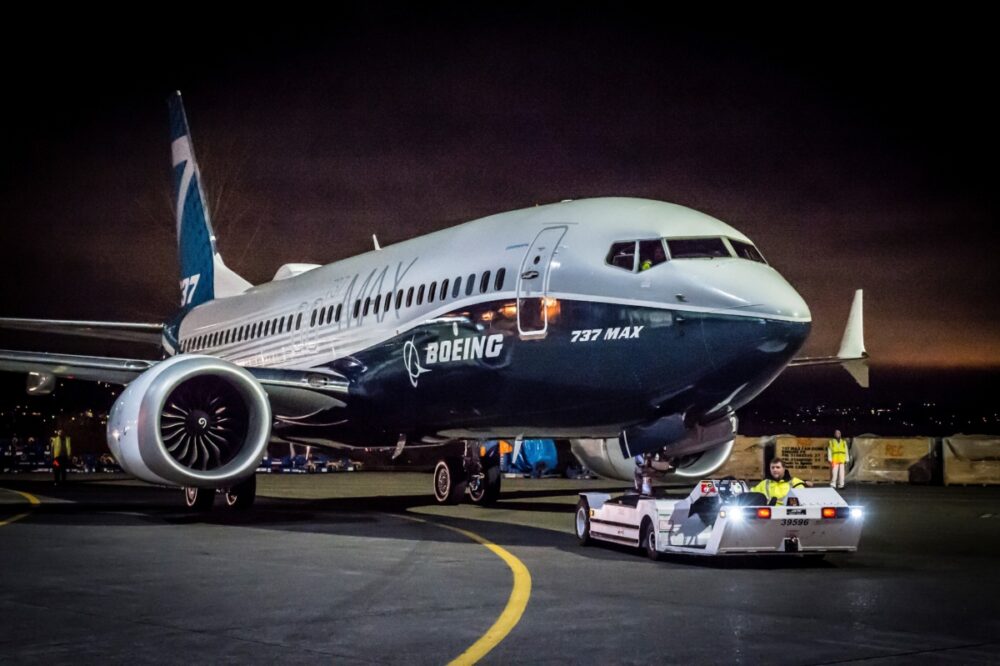
The National Commercial Aviation Agency, ANAC, announced the proximity of the possible release of the Boeing 737 MAX to return to flight operations in Brazil.
The model had its operations halted in mid-2019 after two fatal accidents occurred due to deficiencies in the design of flight controls.
See below for details of the changes that will be sent by the FAA so that MAX can fly again. The proposed changes, following the usual regulatory process, will be open for public consultation for 45 days, during which period airlines and aviation entities will make criticisms and suggestions that may be incorporated into the new regulation.
ANAC will be responsible for ratifying the proposed changes and validating the return to operations in Brazil.
In Brazil, only Gol operates the model, with 7 units in its fleet.
Good return to the 737 MAX, that he can resume the great safety standard that had been maintained by his predecessor, the 737-NG, before the two fateful accidents that shook the world commercial aviation!
MAKE ANY CHANGES BUT RETURN FEELS FAR
(posted 08/03/2020)
The FAA - Federal Aviation Administration, the United States' civil aviation regulatory agency, recently listed the changes it expects to achieve before releasing the Boeing 737 Max 8 and Max 9 model for return to flight operations.
The Agency aims at four important changes:
(1) Provide the FCC's (Flight Control Computers) with new software with new control laws, (2) changes in the MDS (Max Display System) software to detect disagree between the AOA sensors, (3) changes in the AFM and (4) changes in the routing of the Stabilizer Trim wiring.
The proposed changes, at least the first three are not surprising and are in line with the investigations of the two unfortunate accidents that led to the suspension of the model's activities.
The FCC's software intends to address the over-performance of the MCAS (Manouverability Characteristics Augmentation System) which leads to successive actions of the stab brim for pitch down taking the aircraft to a potentially fatal dive.
Already the changes in the MDS intend to implement a disagree alert that makes pilots aware of exceeding a certain threshold level.
The changes to the AFM would be an adaptation of the instructions given in this manual so that pilots have procedures that sufficiently address the aircraft systems and procedures to deal with them. This was a strong criticism originating from many pilots' associations who consider that Boeing omitted from its training programs knowledge about MCAS and its supposedly exaggerated power to command an irrecoverable pitch down.
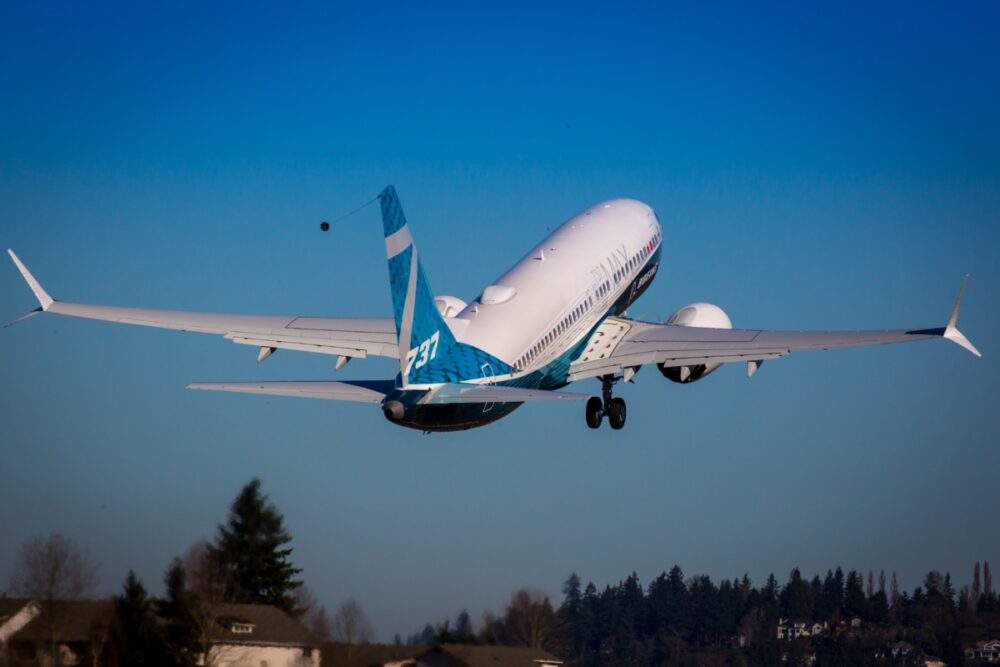
These airplane modifications will need to be accompanied by some tests so that the aircraft can be released for return to service. The main ones would be a test of the AOA indication system (Angle of Attack) and the performance of a test flight on all affected aircraft, that is, the entire fleet.
Something, however, called attention: the FAA does not seem to be imbued with the same sense of urgency that animates Boeing. The Agency says it wants to carefully analyze all the information and release flights when it feels comfortable doing so.
It seems that the Max return to heaven, although it is finally making great progress, still has a long regulatory path to go.
Recalling that Max's complete operational shutdown worldwide, the parking of around 500 aircraft produced in Renton at various airports in the state and finally the production stoppage of the model, a very difficult decision to take, led Boeing to accumulate losses that they are already approaching 20 billion dollars, according to sources.
Boeing's situation regarding its most successful model is not easy. It is natural that its executives are anxious, more than the FAA, for the normalization of operations.
Let us see now how much may be left before this finally happens.

Hyperlinks:
...
...
...
 José PEDRO Magalhães Ramos
He is a professional with almost four decades of experience in aviation. Having worked at Rio Sul and TAM in the 1980s and in the 1990's, joined Vasp where he spent 10 years in the Engineering area. He then created and operated the website www.aerospace.com.br for 4 years, now extinct and in 2004 he joined Gol, having stayed until 2017 and passed in various technical and business areas. Currently as a technical consultant still-and always-in the aviation area, he dedicates his private time to create and operate this our portal!
   
|